
Understanding the Environmental Impact of Your Cleaning Choices in Canada


Introduction to Eco-Friendly Cleaning
As Canadians become more environmentally conscious, the impact of our daily choices, including cleaning products, is gaining attention. The cleaning products we use can have significant effects on our health and the environment. From the raw materials used in production to the chemicals released into waterways, every aspect of these products matters.
Understanding the Ingredients
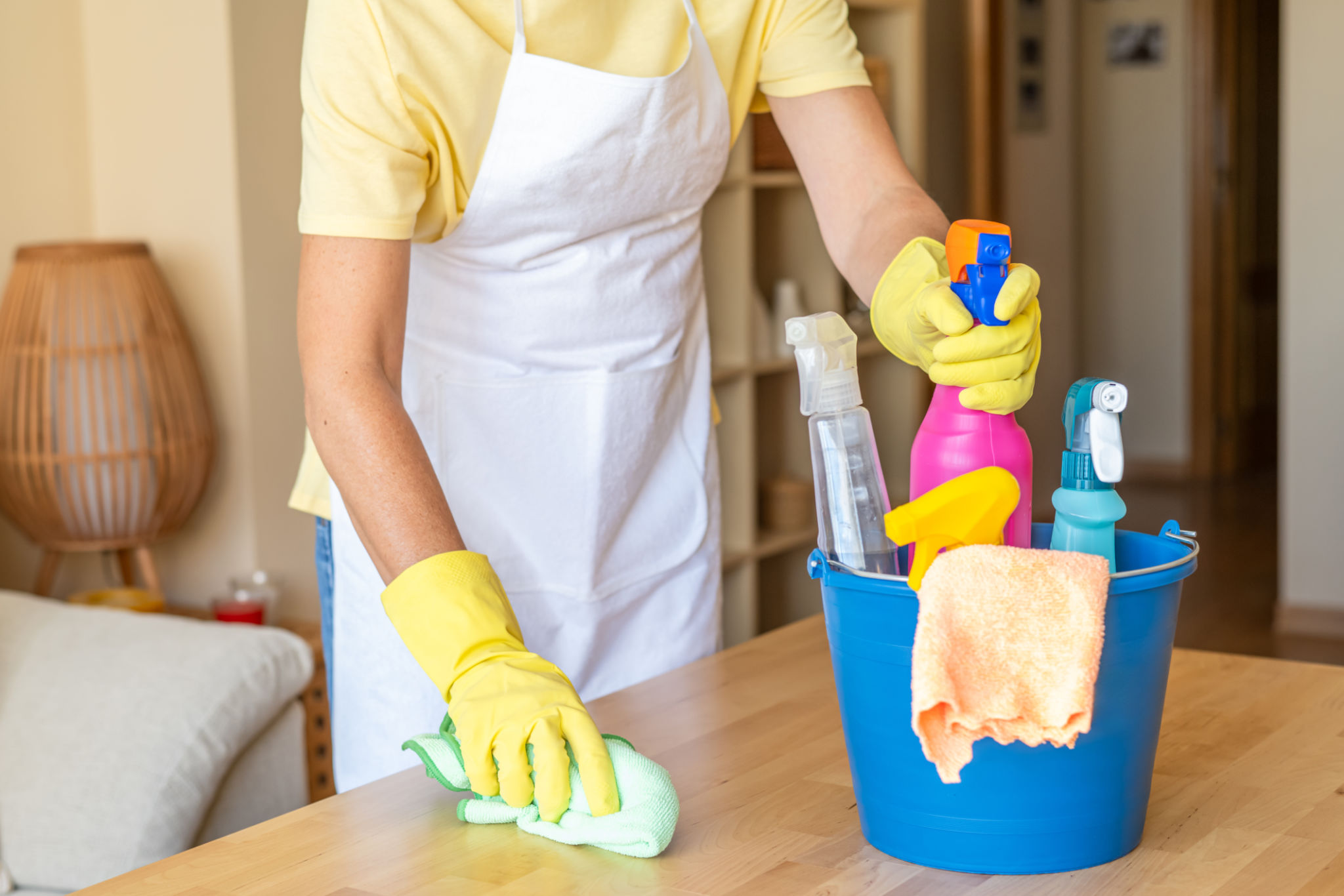
Many conventional cleaning products contain harsh chemicals like ammonia, phosphates, and chlorine. These substances can be harmful to human health and wildlife. When washed down the drain, they may end up in lakes and rivers, disrupting ecosystems. Understanding the ingredients in your cleaning products is the first step towards making more sustainable choices.
Common Harmful Chemicals
Here are some chemicals to watch out for:
- Phosphates: Often found in laundry detergents, they can lead to algal blooms in water bodies.
- Ammonia: A common ingredient that can irritate skin and respiratory systems.
- Chlorine: Used in bleach, it releases toxic substances when mixed with other cleaners.
Choosing Eco-Friendly Alternatives
Switching to eco-friendly cleaning products is an impactful way to reduce your environmental footprint. These products are typically biodegradable and free from toxic chemicals, making them safer for both humans and the planet. Look for certifications like EcoLogo or Green Seal to ensure the product meets environmental standards.
Benefits of Green Cleaning
Eco-friendly cleaning products offer several benefits:
- Healthier Home: Reduced exposure to toxic chemicals can lead to fewer health issues.
- Environmental Protection: Less pollution in waterways and reduced harm to wildlife.
- Improved Air Quality: Fewer volatile organic compounds (VOCs) mean cleaner indoor air.
DIY Cleaning Solutions
Creating your own cleaning solutions is another way to ensure you're using safe, environmentally friendly products. Common household items like vinegar, baking soda, and lemon juice can be effective cleaners. For example, a mix of vinegar and water can act as a natural disinfectant, while baking soda is great for scrubbing surfaces.

Simple DIY Recipes
Try these easy recipes for green cleaning:
- All-Purpose Cleaner: Mix 1 part vinegar with 1 part water.
- Glass Cleaner: Combine 2 cups of water, 1/2 cup of vinegar, and 1/4 cup of rubbing alcohol.
- Scrubbing Paste: Blend baking soda with a bit of water to form a paste.
Conclusion: Making Informed Choices
Understanding the environmental impact of your cleaning choices is essential for promoting sustainability in Canada. By opting for eco-friendly alternatives and making your own cleaning solutions, you can contribute to a healthier planet. Small changes in our daily habits can lead to significant positive effects on the environment.