
Understanding Touchless Disinfection: A Comprehensive FAQ Guide


What is Touchless Disinfection?
Touchless disinfection refers to the process of eliminating germs, bacteria, and viruses from surfaces without physical contact. This method employs advanced technologies such as UV-C light, foggers, and electrostatic sprayers to sanitize areas efficiently. Touchless disinfection is gaining popularity due to its ability to cover large spaces quickly and minimize human error.

How Does Touchless Disinfection Work?
UV-C Light
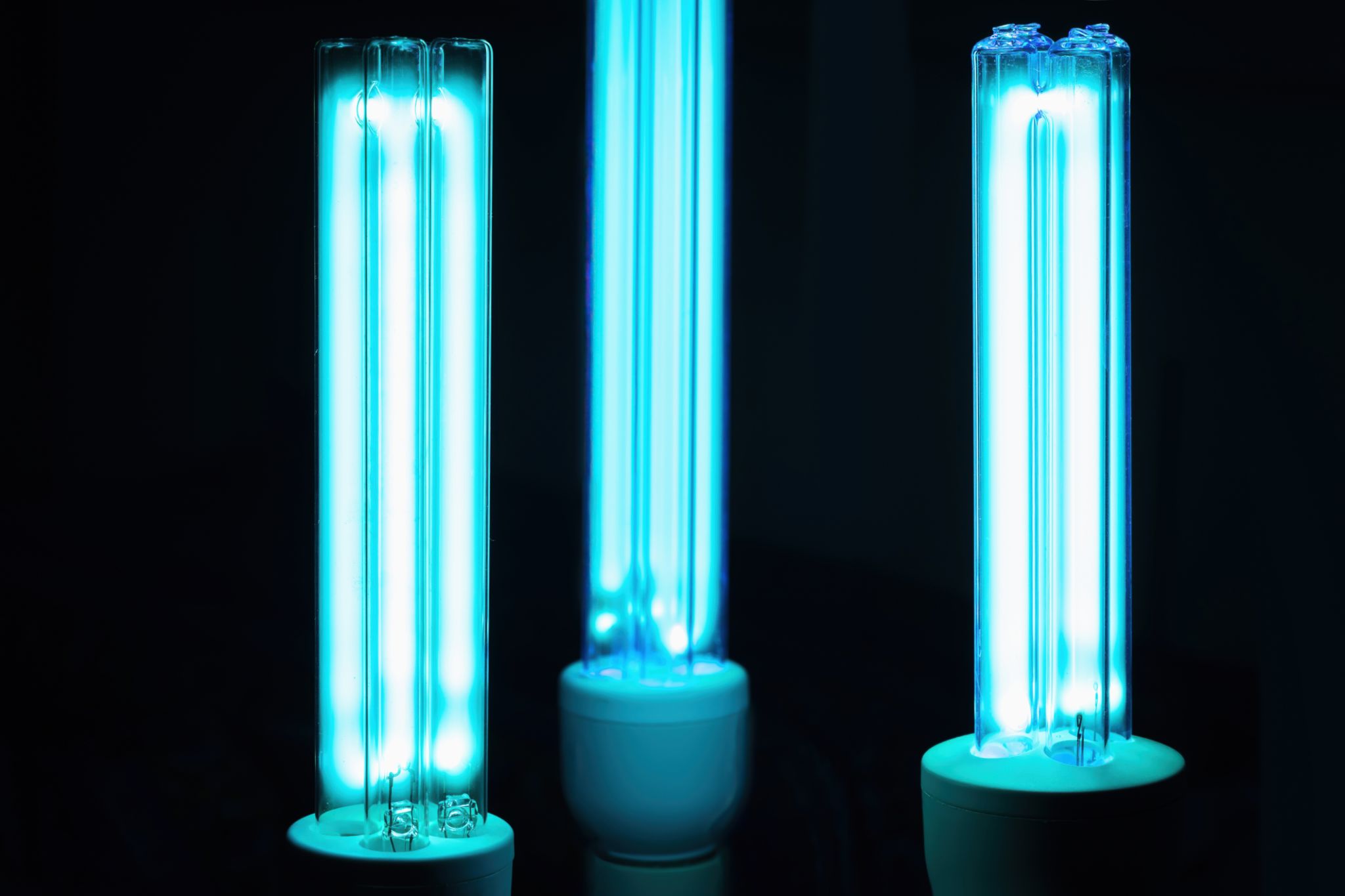
UV-C light is a powerful tool in touchless disinfection. It disrupts the DNA of microorganisms, rendering them inactive. This method is effective in hospitals, laboratories, and other high-risk environments. UV-C systems are often automated, allowing for consistent and thorough coverage.
Foggers and Misters
Foggers and misters disperse disinfectant solutions into the air, creating a fine mist that settles on surfaces. This approach ensures that hard-to-reach areas are covered, providing a comprehensive clean. It's crucial to select the right disinfectant to ensure safety and efficacy.

Benefits of Touchless Disinfection
Touchless disinfection offers several advantages, including:
- Efficiency: Rapid and wide-area coverage.
- Consistency: Reduces human error and ensures thorough application.
- Safety: Minimizes exposure to harmful chemicals for cleaning staff.
Are There Any Limitations?
While touchless disinfection is highly effective, it does come with certain limitations. For instance, UV-C light can only sanitize surfaces that are directly exposed to the light, leaving shadowed areas untreated. Additionally, foggers require precise calibration to ensure the correct concentration of disinfectant is used.
Is Touchless Disinfection Safe?
Yes, touchless disinfection is generally safe when used properly. It's essential to follow manufacturer guidelines and use approved disinfectants. For UV-C light, it's important to avoid direct exposure to skin and eyes. Facilities often schedule these processes during off-hours to ensure safety.
Who Can Benefit from Touchless Disinfection?
Touchless disinfection is beneficial for a wide range of facilities, including:
- Healthcare settings like hospitals and clinics.
- Schools and educational institutions.
- Office buildings and corporate environments.
- Public transportation systems.
How Can You Implement Touchless Disinfection?
Implementing touchless disinfection requires an understanding of your facility's needs. Start by identifying high-traffic and high-touch areas. Choose the appropriate technology, such as UV-C lamps or foggers, and ensure your staff is trained on their use. Regular maintenance and calibration are also crucial for optimal performance.

Conclusion
Touchless disinfection represents a revolutionary step forward in maintaining hygiene and safety. By understanding its mechanisms, benefits, and limitations, you can effectively incorporate this technology into your facility’s cleaning protocols, ensuring a healthier environment for everyone.